
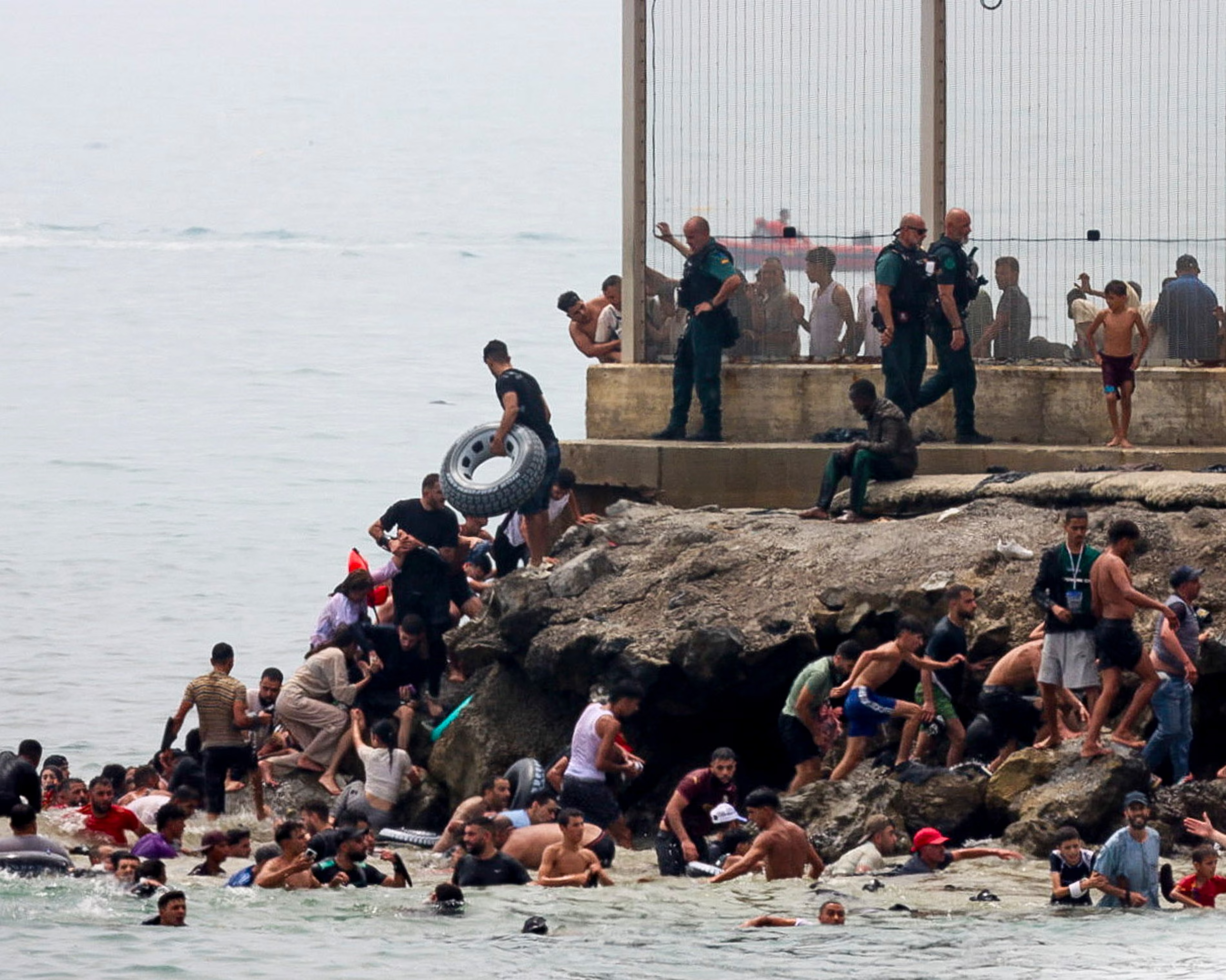
Nearly 70,000 Cross Ceuta Border: Humanitarian Tragedy Exposes Fragility of Europe’s Migration Policy
PolicyGov UK | Migration & Human Rights MonitoringSource: This report is based on information published by The Guardian, Reuters, and official statements fr...

Amnesty International has criticised a reported proposal by Reform UK to transfer foreign nationals convicted of offences in the United Kingdom to prisons in El Salvador to serve their sentences, warning that such a policy could expose prisoners to serious human rights violations.Responding to the proposal, Steve Valdez-Symonds, Amnesty International UK’s Refugee and Migrant Rights Director, said the plan could amount to using British public funds to support a prison system where serious abuses have been documented.Amnesty International said it has recorded cases in El Salvador involving arbitrary detention, torture and other forms of ill-treatment, enforced disappearances, inadequate access to medical care and deaths in custody. The organisation has also raised concerns about the conditions faced by detainees and the difficulties families can experience in locating relatives held in detention.Valdez-Symonds argued that transferring people convicted in the UK to such a system would raise significant questions about Britain’s responsibility for the treatment of prisoners whose sentences are being served abroad. He described the proposal as part of a broader political approach that, in Amnesty’s assessment, risks prioritising headline-generating measures over practical and legally sustainable solutions.Amnesty also drew a comparison with the UK’s previous Rwanda asylum policy, arguing that proposals initially regarded as politically or practically unlikely can become government policy when political pressure and hostility towards migrants take precedence over legal and humanitarian considerations.The organisation further criticised what it described as a growing tendency among politicians to use rhetoric that could contribute to hostility and inhumanity, arguing that such approaches do not necessarily make communities safer.The reported Reform UK proposal therefore raises wider policy questions beyond immigration and criminal justice, including the UK’s human rights obligations, accountability for prisoners transferred overseas, standards of detention, access to legal safeguards and the use of public funds to operate or support foreign detention arrangements.PolicyGov Note: This report is based on a statement and material published by Amnesty International UK on 10 August 2026. The views and allegations concerning conditions in El Salvador are attributed to Amnesty International and should not be presented as independent findings by PolicyGov. Reform UK’s position should also be considered separately when further official details of the proposal become available.Source: Amnesty International UK, “UK: Reform\'s El Salvador prison plan would be ‘financing brutality’ with public money”, 10 August 2026.Original source and copyright: Amnesty International UK. This PolicyGov article is a journalistic/policy analysis based on the organisation’s publicly released statement and does not reproduce the original text.
During a routine review of the PolicyGov UK website, we identified an unintended technical issue which resulted in the names and photographs of some authors whose articles were featured on our platform being displayed within the “Our People” section.PolicyGov UK wishes to clarify that the individuals concerned are not members, researchers, advisors, or formal affiliates of PolicyGov UK. The relevant content was published as part of our public interest information initiative, based on publicly available material, including authors’ published opinions, social media commentary, columns, and media analysis. However, due to a website configuration issue, author details appeared in a section that could unintentionally create a misleading impression.Once the issue was identified, we took immediate corrective action and removed the relevant information from the “Our People” section. PolicyGov UK will continue to strengthen its editorial and technical processes by ensuring accurate source attribution, appropriate author identification, necessary permissions where required, and compliance with responsible publishing standards.PolicyGov UK remains committed to transparency, responsible publication, and maintaining the highest standards of editorial integrity. PolicyGov UK Communications Team
News
Reform UK’s El Salvador Prison Plan Raises Human Rights Concerns, Says Amnesty International
Amnesty International has criticised a reported proposal by Reform UK to transfer foreign nationals convicted of offences in the United Kingdom to prisons in El Salvador to serve their sentences, warning that such a policy could expose prisoners to serious human rights violations.Responding to the proposal, Steve Valdez-Symonds, Amnesty International UK’s Refugee and Migrant Rights Director, said the plan could amount to using British public funds to support a prison system where serious abuses have been documented.Amnesty International said it has recorded cases in El Salvador involving arbitrary detention, torture and other forms of ill-treatment, enforced disappearances, inadequate access to medical care and deaths in custody. The organisation has also raised concerns about the conditions faced by detainees and the difficulties families can experience in locating relatives held in detention.Valdez-Symonds argued that transferring people convicted in the UK to such a system would raise significant questions about Britain’s responsibility for the treatment of prisoners whose sentences are being served abroad. He described the proposal as part of a broader political approach that, in Amnesty’s assessment, risks prioritising headline-generating measures over practical and legally sustainable solutions.Amnesty also drew a comparison with the UK’s previous Rwanda asylum policy, arguing that proposals initially regarded as politically or practically unlikely can become government policy when political pressure and hostility towards migrants take precedence over legal and humanitarian considerations.The organisation further criticised what it described as a growing tendency among politicians to use rhetoric that could contribute to hostility and inhumanity, arguing that such approaches do not necessarily make communities safer.The reported Reform UK proposal therefore raises wider policy questions beyond immigration and criminal justice, including the UK’s human rights obligations, accountability for prisoners transferred overseas, standards of detention, access to legal safeguards and the use of public funds to operate or support foreign detention arrangements.PolicyGov Note: This report is based on a statement and material published by Amnesty International UK on 10 August 2026. The views and allegations concerning conditions in El Salvador are attributed to Amnesty International and should not be presented as independent findings by PolicyGov. Reform UK’s position should also be considered separately when further official details of the proposal become available.Source: Amnesty International UK, “UK: Reform\'s El Salvador prison plan would be ‘financing brutality’ with public money”, 10 August 2026.Original source and copyright: Amnesty International UK. This PolicyGov article is a journalistic/policy analysis based on the organisation’s publicly released statement and does not reproduce the original text.
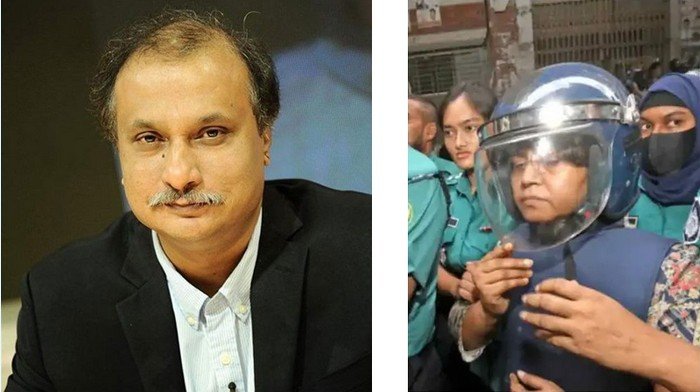
Bangladesh: International Rights Groups Call for End to ICT Investigation into Journalists Farzana Rupa and Mozammel Babu
International press freedom and human rights organisations have called on the Government of Bangladesh to ensure that journalists are not subjected to criminal prosecution, particularly for alleged crimes against humanity, solely because of their reporting. In a joint statement, Amnesty International, ARTICLE 19, CIVICUS: World Alliance for Citizen Participation, the Committee to Protect Journalists (CPJ), and Human Rights Watch expressed concern over the International Crimes Tribunal’s (ICT) investigation into detained journalists Farzana Rupa and Mozammel Babu in connection with allegations arising from their broadcast coverage of the May 2013 Shapla Chattar events. The organisations said prosecutors have indicated that the ICT investigation relates to the security operation carried out on 5–6 May 2013 against a protest by Hefazat-e-Islam at Shapla Chattar in Dhaka, where the reported death toll remains contested.According to the statement, on 14 May 2026, the ICT showed Rupa and Babu arrested in the case. At the time of the statement, their lawyers had not received any evidence or charge sheet. Prosecutors have suggested that the allegations concern their broadcast coverage of the 2013 events, including a current affairs programme presented by Rupa that allegedly “spread misleading information” about casualty figures and contributed to crimes against humanity. The organisations stated that freedom of expression protects journalistic work, including reporting and editorial decisions on matters of significant public interest, particularly when events are politically contested or disputed. They argued that decisions about covering such events should not be criminalised or prosecuted as crimes against humanity, describing the initiation of proceedings without a legal foundation as a threat that could create a chilling effect on journalists and media organisations in Bangladesh. The statement also noted that Farzana Rupa, Mozammel Babu, Rupa’s husband and fellow Ekattor TV journalist Shakil Ahmed, and Shyamal Dutta, editor of the newspaper Bhorer Kagoj, have been held in pre-trial detention since August and September 2024 in connection with multiple murder cases arising from deaths during the July–August 2024 uprising that resulted in the fall of Sheikh Hasina’s former Awami League government. The organisations said no charge sheet has been served in those cases and that there has been no explanation as to how journalists’ reporting on the uprising could be characterised as the crime of murder. They also raised concerns about thousands of murder cases filed against perceived supporters of the former government, many of which, they stated, are based on no known evidence. The statement further said that on 11 May 2026, Bangladesh’s High Court granted bail to Farzana Rupa and Shakil Ahmed in the majority of cases against them, but the Appellate Division of the Supreme Court later stayed that order. The organisations said the ICT proceedings create a separate legal route that could keep Rupa and Babu in detention regardless of bail decisions in other cases. The signatories stated that the action against Rupa and Babu raises concerns regarding Bangladesh’s obligations under Articles 15 and 19 of the International Covenant on Civil and Political Rights (ICCPR), to which Bangladesh is a state party.They urged the Government of Bangladesh to: Ensure that the ICT investigation does not name Farzana Rupa and Mozammel Babu as formal accused solely on the basis of their journalism, and support an independent and impartial review mechanism to examine ICT cases involving journalists and determine whether prosecutions are based only on legitimate journalistic activities.Immediately release Farzana Rupa, Shakil Ahmed, Mozammel Babu, and Shyamal Dutta from cases where they are detained solely for the peaceful exercise of their human rights and reporting, withdraw politically motivated charges related to journalistic work, and end the practice of case-stacking and mass First Information Reports against journalists and others across Bangladesh.Protect and uphold the human rights of everyone in Bangladesh, including the rights to freedom of expression and media freedom. The organisations said that these steps would be consistent with Prime Minister Tarique Rahman’s manifesto commitment to end the persecution of journalists and called on the Government of Bangladesh to translate that commitment into concrete action. Signatories: Amnesty InternationalARTICLE 19CIVICUS: World Alliance for Citizen ParticipationCommittee to Protect Journalists (CPJ)Human Rights WatchSource : Amnesty International, 15 July 2026
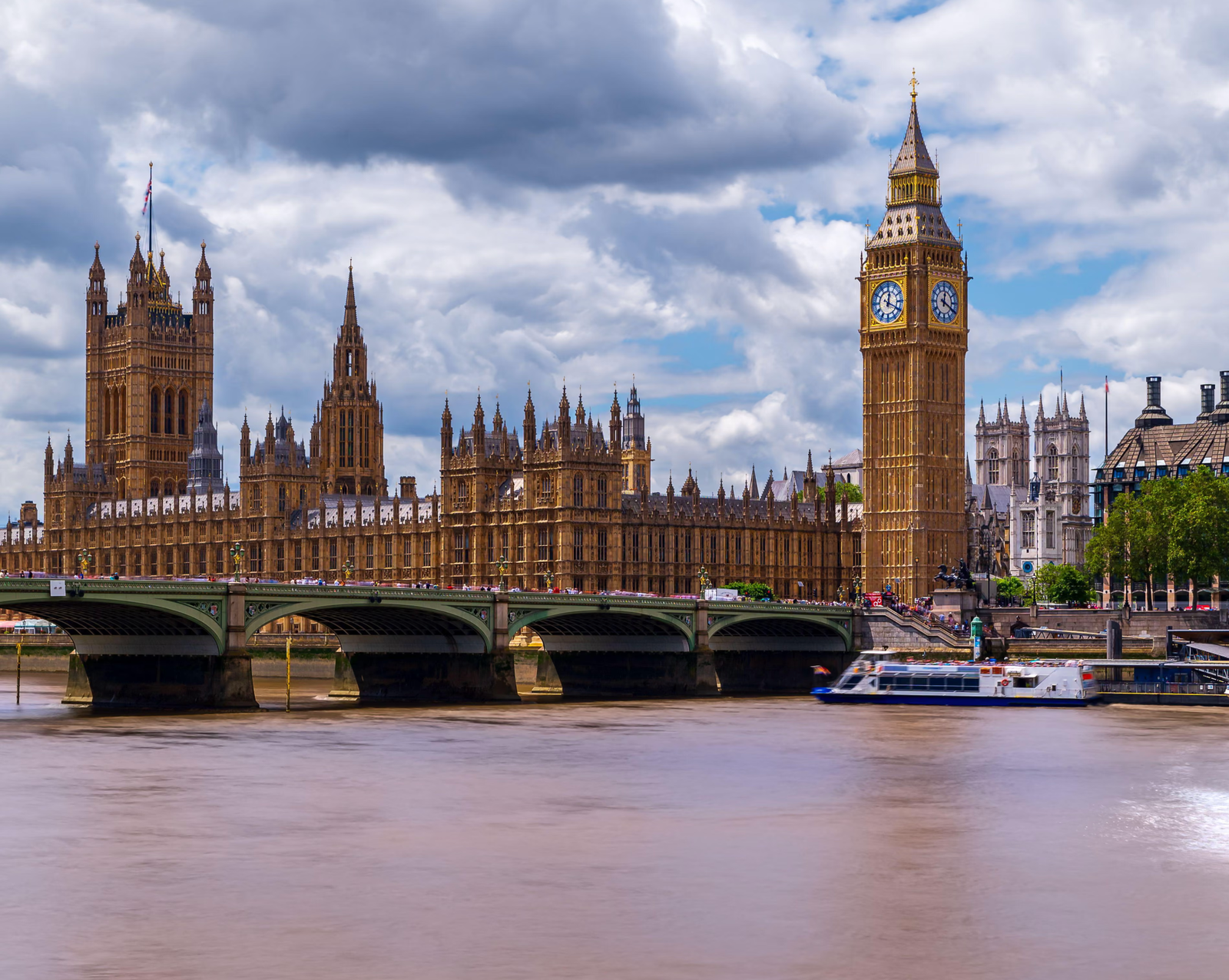
UK state threats bill could pull British journalists into terror prosecutions, experts say
A new UK national security and counter-terrorism bill currently progressing through Parliament has prompted warnings from legal experts and former independent terrorism reviewers that its provisions could unintentionally expose journalists and humanitarian organisations to criminal liability. The legislation, designed to strengthen state security powers by allowing the designation of state-linked organisations as terrorist or “state threat” entities, is intended to target groups operating as proxies for hostile states, including organisations such as Iran’s Islamic Revolutionary Guard Corps (IRGC). However, concerns have been raised that the bill’s scope may extend beyond its intended targets. Legal experts argue that its broad formulation of offences related to “support,” “assistance,” and the receipt of “material benefits” from designated groups could place journalists, NGOs, and other field-based professionals at legal risk. Former independent reviewer of terrorism legislation David Anderson has warned that, without clearer safeguards, journalists working in conflict or high-risk environments could potentially be drawn into prosecutions. He argues that the legislation lacks explicit protections for journalistic activity and humanitarian engagement, despite the presence of advisory guidance suggesting such work should be exempt. Under the proposed framework, “material benefits” are defined broadly and may include information as well as financial or logistical support. This has raised concerns that routine journalistic practices—such as communicating with sources connected to designated organisations—could fall within the scope of the law in certain circumstances. Anderson and other legal commentators have also highlighted the absence of a “reasonable excuse” defence for certain offences, which they say further increases legal uncertainty for professionals operating in complex conflict environments. The independent reviewer of terrorism legislation, Jonathan Hall, has similarly called for amendments to ensure that legitimate journalistic and humanitarian activity is clearly protected. He has recommended extending legal safeguards to cover the exchange of information, particularly where engagement with designated groups may be unavoidable for reporting or operational purposes.Press freedom organisations have echoed these concerns, urging the government to introduce explicit exemptions for journalists and non-governmental organisations before the bill becomes law. They argue that ambiguity in the legislation could have a chilling effect on foreign reporting and humanitarian engagement in regions where state-linked armed groups operate. The Home Office has rejected claims that the legislation undermines press freedom, stating that existing guidance is sufficient to protect journalistic work. However, critics argue that reliance on guidance rather than explicit statutory protections leaves legal uncertainty unresolved. Supporters of the bill maintain that stronger legal tools are necessary to counter evolving hybrid threats posed by hostile states and their affiliated organisations. They argue that the legislation is designed to close gaps in existing terrorism law and improve the UK’s ability to respond to state-backed security risks. As the bill approaches final parliamentary stages, the debate highlights a broader tension between national security enforcement and the protection of press freedom and civil society operations in conflict zones.
Expert Comments
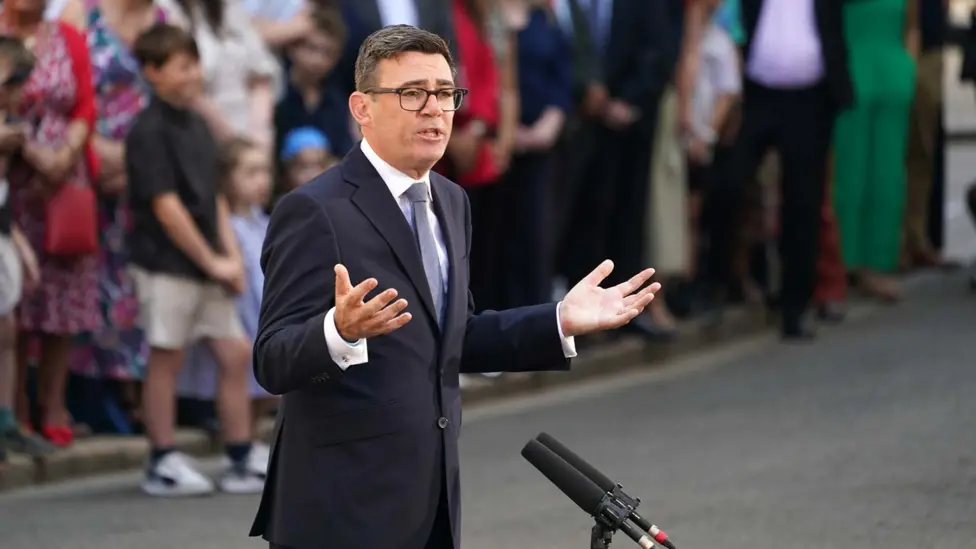
Andy Burnham has begun his premiership with a pledge to restore public confidence in politics, end rough sleeping and deliver a major programme of economic and social reform after replacing Sir Keir Starmer as UK prime minister.
The former Mayor of Greater Manchester became Labour leader last week following Starmer’s departure and is now the UK’s fourth prime minister in five years and seventh since 2016.
Speaking outside 10 Downing Street in his first address as prime minister, Burnham acknowledged growing public frustration with politics and admitted that governments had failed to deliver the level of change people expected.
“People at home are fed up with politics. I hear you, and I want to be honest with you. We have not been good enough, and we need to be better,” he said.
Burnham promised a new era of national unity and said his government would work to “bring back hope” by addressing immediate pressures while pursuing long-term reforms.
Cost of living and housing priorities
The new prime minister identified rough sleeping and the cost of living crisis as his immediate priorities.
He pledged to “end rough sleeping in our country”, with Downing Street announcing an additional £340 million investment over five years from within the existing housing department budget.
Burnham also promised measures to provide “breathing space” for households, including expected action on energy bills and bus fares as part of a fully funded cost-of-living package.
A new 10-year plan for Britain, expected later this year, will focus on rebuilding the economy, expanding council housing and placing essential services under greater public control.
New cabinet and economic direction
Burnham appointed John Healey as chancellor in a major cabinet reshuffle, replacing Rachel Reeves. Healey, a former defence secretary, is widely regarded as a steady figure and was seen as a compromise choice for the role.
Ed Miliband has been appointed foreign secretary, while Shabana Mahmood remains as home secretary.
Louise Haigh, one of Burnham’s closest allies, becomes first secretary of state and chancellor of the Duchy of Lancaster, leading a strengthened Cabinet Office described as the “political engine room” of the new government.
Burnham said his administration would pursue the biggest changes to Britain’s political and economic model in decades, describing his approach as a “circuit breaker” after years of instability.
Fiscal caution amid investment plans
The prime minister said he would explore “any flexibility” within existing fiscal rules to increase investment in infrastructure but insisted that he would maintain a “very prudent” approach to public finances.
His comments initially unsettled financial markets, with UK 10-year gilt prices falling amid concerns over increased borrowing. However, markets stabilised following Healey’s appointment as chancellor.
Burnham said his government would continue to honour defence spending commitments while maintaining control over national debt and public spending.
International engagement begins
In his first calls with world leaders, Burnham spoke with US President Donald Trump, Ukrainian President Volodymyr Zelenskyy and European Commission President Ursula von der Leyen.
He invited Trump to Manchester for next year’s G20 summit, despite previous comments from Trump referring dismissively to Burnham as the mayor of “some town”.
A new chapter for Labour
Burnham’s arrival at Downing Street follows a dramatic leadership change within Labour, after MPs removed Starmer from office.
The new prime minister said his government’s mission would be to rebuild trust, improve public services and create a stronger sense of national purpose.
“This is the moment when Britain starts to believe again,” Burnham said, promising a new direction for the country after years of political uncertainty.

Bangladesh Faces a New Border Crisis as Dhaka Rejects Returnees Amid India’s Illegal Migration Crackdown
A humanitarian and diplomatic standoff is unfolding along the India-Bangladesh border, where thousands of people claiming to be Bangladeshi citizens have reportedly gathered at multiple crossing points seeking to return to Bangladesh.
From Hakimpur and Haridaspur to Ghojadanga, border areas have witnessed an unusual influx of men, women and children enduring extreme heat while waiting for permission to cross into Bangladesh. According to accounts gathered by journalists on the ground, many openly acknowledge that they had been living in the Indian state of West Bengal without legal immigration status.
When asked about their origins, individuals reportedly identified districts such as Satkhira, Khulna, Barishal, Chattogram and Cumilla as their hometowns in Bangladesh. Asked where they had been living in India, responses ranged from Barrackpore, Dum Dum and Barasat to Sonarpur and Baruipur.
Many described working in construction, agriculture, vegetable trading and marble installation, while women commonly reported employment as domestic workers. Several stated that they had lived in India for periods ranging from four to ten years after entering through irregular routes.
Many cited growing concerns over immigration enforcement and the changing political climate in India as reasons for deciding to leave voluntarily. According to their accounts, they feared detention and possible imprisonment if discovered by authorities.
Most of those interviewed reportedly possessed Bangladeshi National Identity Cards or birth certificates but did not hold passports. Their inability to provide regular travel documentation has further complicated efforts to establish their legal status and facilitate their return.
A Growing Humanitarian Challenge
Reports suggest that thousands of individuals have accumulated near border gates during the past week. Indian authorities and border security personnel have reportedly arranged temporary accommodation, food and drinking water in holding facilities while awaiting a resolution.
In several cases, individuals have reportedly remained stranded in or near no-man’s land after Bangladesh border authorities declined to open crossing points.
The situation has raised concerns about the emergence of a refugee-like humanitarian crisis, despite the fact that many of those gathered insist they are attempting to return to their country of origin rather than seeking asylum elsewhere.
Dhaka’s Position
Bangladesh maintains that it will not accept any individual without formal nationality verification through established legal procedures.
Officials in Dhaka argue that nationality cannot be determined solely on the basis of claims made at the border and have expressed concerns that some individuals presented as Bangladeshis could in fact be Indian nationals.
The Bangladeshi government has repeatedly stated that any repatriation process must be conducted jointly, with proper verification and legal documentation. Authorities have also objected to what they describe as unilateral attempts to transfer undocumented individuals across the border.
Bangladesh has reportedly communicated this position to Indian authorities through diplomatic channels and has reiterated its opposition to any form of forced transfer.
India’s Frustration Over Verification Delays
Indian officials, however, have long complained about delays in receiving confirmation from Bangladesh regarding the nationality of detained individuals suspected of being Bangladeshi citizens.
According to statements made by India’s Ministry of External Affairs, verification requests in some cases have remained unresolved for years, complicating deportation and repatriation procedures.
The disagreement highlights a longstanding challenge in India-Bangladesh migration management: how to identify, verify and repatriate undocumented migrants while respecting legal procedures and human rights obligations.
A Test for Bilateral Relations
The current standoff presents a significant test for both governments.
For India, the issue concerns the enforcement of immigration laws and the repatriation of undocumented migrants. For Bangladesh, the concern is ensuring that only verified citizens are accepted through a lawful process.
Yet beyond the diplomatic dispute lies a pressing humanitarian question: what happens to thousands of people who claim Bangladeshi citizenship, wish to return to Bangladesh, but find themselves unable to cross the border?
Until a mutually agreed verification mechanism is implemented more efficiently, the border risks becoming the stage for a prolonged humanitarian crisis—one that could further strain relations between two neighbours whose cooperation remains critical to regional stability and migration management.
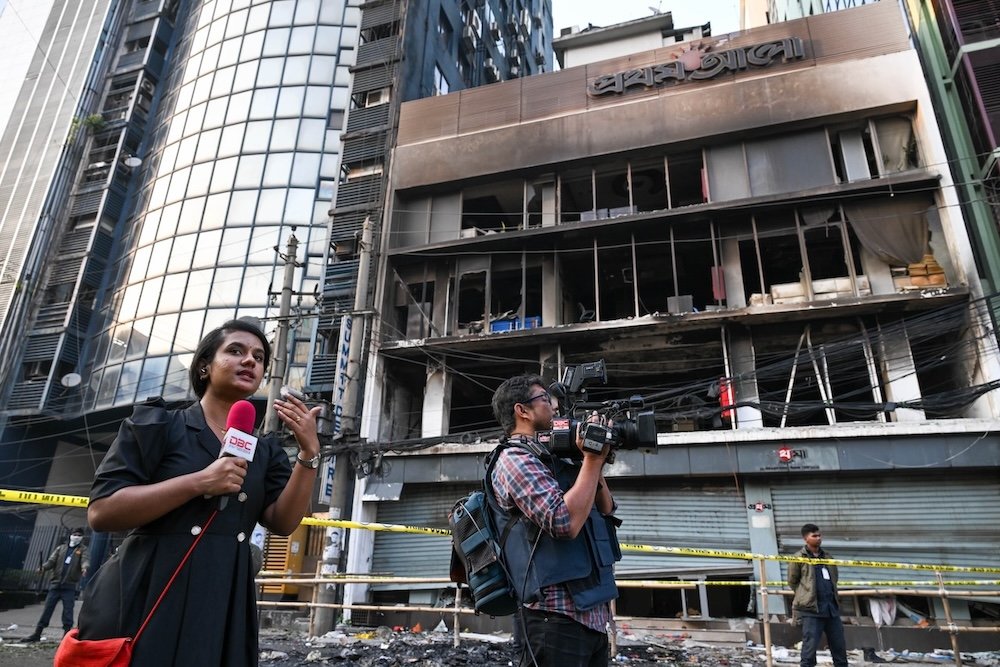
Anamitra Chattopadhyay | India |
The record of journalist persecution that has emerged from the period of Muhammad Yunus\'s rule is nothing short of shocking.
Unprecedented Persecution of Journalists Under Yunus; Calls Grow for Nobel Prize to Be Revoked
The record of journalist persecution that has emerged from the period of Muhammad Yunus\'s rule is nothing short of shocking.
As head of Grameen Bank, he was awarded the Nobel Peace Prize. Many critics have long argued that Muhammad Yunus is the architect of a business model that profits by trapping the poorest people in poor countries in cycles of high-interest debt. Ever since that model received international recognition through the Nobel Prize, aided, according to critics, by the direct intervention of influential friends in the United States, controversy has surrounded both the award and the model itself.
After 18 months of governing Bangladesh, Yunus\'s actions have also come under intense scrutiny. His government suspended the country\'s vaccination programme. As a result, with herd immunity shattered, the number of child deaths from measles is reportedly approaching 600, while infections have surpassed one hundred thousand. Now, the record of journalist persecution under Yunus that has come to light is equally alarming. Many are demanding that the Nobel authorities revoke Yunus\'s Nobel Prize over what they describe as grave human rights violations.
After the departure of the Yunus government, journalists who had found themselves cornered, regardless of political affiliation, formed an organisation called the Anti-Persecution Journalists Front. Bringing together information from across the country, the organisation has compiled and published a detailed account of the alleged persecution.
According to the report, the Yunus government implicated more than 500 journalists in what it describes as fabricated criminal cases carrying severe charges, including murder. A statement issued by the organisation says: \"More than fifty journalists were arrested. Thirteen journalists were killed. In addition, around 1,200 journalists lost their jobs. Government accreditation cards of 168 professional journalists were revoked. Memberships of more than 700 journalists were cancelled or suspended by various press clubs, including the National Press Club.\"
Officials of the organisation state that during Yunus\'s tenure, 47 journalists across the country were arrested, including Shahriar Kabir, Mozammel Babu, Shyamal Dutta, Shakil Ahmed, Farzana Rupa, Sheikh Jamal, Manjurul Alam Panna and Anis Alamgir. Only a small number of them have since been released on bail. The organisation further alleges that 13 journalists, including Mehedi Hasan, Shakil Hossain, Tahir Zaman, ATM Turab, Pradip Kumar Bhowmik and Sohel Akhanji, were killed.
The Anti-Persecution Journalists Front also states that supporters of Yunus were responsible for acts of vandalism, attacks and arson targeting the offices of BTV, 71 TV, Somoy TV, DBC News, Gaan Bangla, ATN News, ATN Bangla, My TV, Bijoy TV, News24, and the newspapers Amader Orthoniti, Amader Notun Shomoy, Dainik Mukhopatro, Kaler Kantho, Bangladesh Pratidin, Daily Sun, Bangla News, Prothom Alo and The Daily Star.
According to the statement, editors, news chiefs and journalists from various media organisations were subjected to pressure, resulting in the dismissal of approximately 1,200 journalists during Yunus\'s administration.
Recently, journalists took to the streets of Dhaka, forming a human chain and demanding the withdrawal of all false cases filed against them. They called for the release of imprisoned journalists, justice for murdered journalists, reinstatement of those who lost their jobs, and the reopening of the offices of the two journalist organisations, DUJ and BFUJ.
They also demanded justice for looting and arson attacks on newspaper offices, restoration of memberships cancelled by press clubs across the country, including the National Press Club, reversal of accreditation card cancellations, withdrawal of orders freezing journalists\' bank accounts, and removal of restrictions imposed on their foreign travel.
Many campaigners are now characterising the organised persecution of journalists as a serious violation of human rights and are calling on the Nobel authorities to revoke Yunus\'s Nobel Prize. They argue that allowing such a ruler to continue being identified as a Nobel laureate damages the reputation and moral standing of the award itself.
The BNP government led by Tarique Rahman recently completed its first 100 days in office after winning the election. Although no new cases or attacks against journalists have been reported under the current administration, the cases filed during Yunus\'s tenure have not yet been withdrawn.
Police have reportedly failed to submit charge sheets against imprisoned journalists even after 18 to 20 months. Despite this, they have not been granted bail. In many instances, journalists who secured bail in existing cases have allegedly been implicated in new cases and kept behind bars.
During a meeting with editors, Prime Minister Tarique Rahman assured media representatives that his government does not believe in suppressing or controlling the press. He also promised to review the cases filed against journalists. However, according to critics, none of these commitments have been implemented during the government\'s first 100 days.
Akhtar Hossain, Convenor of the Anti-Persecution Journalists Front, said: \"The responsibility for releasing journalists imprisoned during the Yunus era and ending the persecution of journalists now lies with the current government. If it fails to fulfil that responsibility, it will be assumed that it has taken a position against journalists. Public expectations from a political government are high. Please free the journalists."
Anamitra Chattopadhyay is a senior journalist and columnist, formerly of Anandabazar Patrika and currently associated with Ei Samay. He specialises in Bangladesh affairs, South Asian politics and regional geopolitics.
Editorial note for PolicyGov:
"The views expressed in this article are those of the author. The allegations cited are based on claims made by the Anti-Persecution Journalists Front and have not been independently verified by PolicyGov."
All Events
View All Events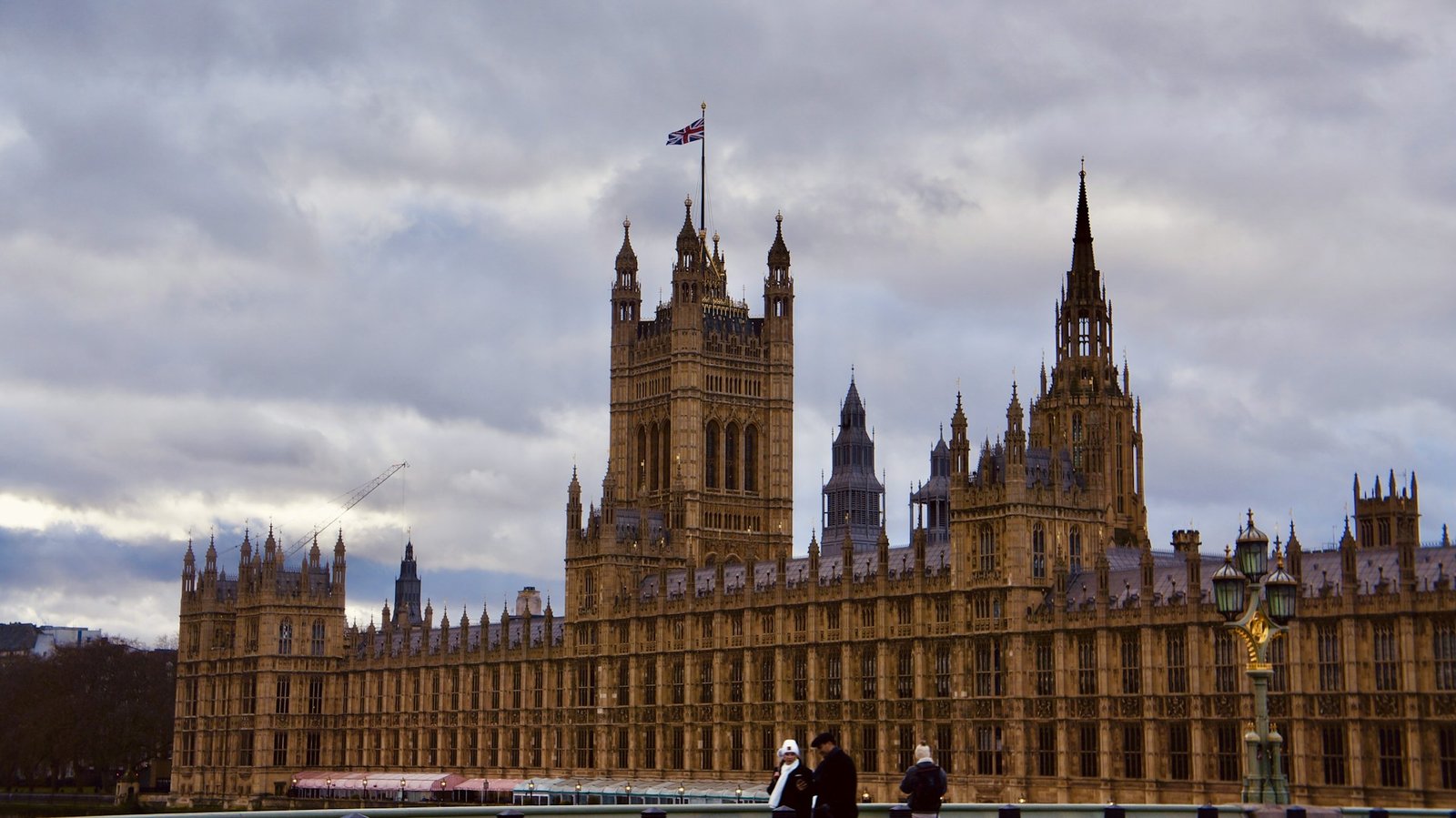
High-Level Bangladesh Seminar to Be Held at the House of Lords on 28 January
A high-level international seminar titled “Bangladesh at the Crossroads: Democratic Stability, Investment and Diaspora Safety” will be held on Wednesday, 28 January 2026, at the House of Lords, London, bringing together senior parliamentarians, legal experts, academics, policymakers, and representatives of the British Bangladeshi diaspora.The seminar is jointly hosted by Lord Rami Ranger FRSA, Politika News, the Northampton British Bangladeshi Business Chamber, and the Centre for Global Policy and Governance (CGPG). The event aims to provide a balanced parliamentary platform to examine Bangladesh’s current political trajectory, democratic governance, rule of law, investment confidence, minority protection, and the evolving role of the diaspora.The discussion will feature Members of the House of Lords and House of Commons, constitutional and legal experts, senior academics from leading UK universities, journalists, business leaders, representatives of human rights organisations, and prominent figures from the British Bangladeshi community.Key themes of the seminar include:Democratic legitimacy and constitutional governanceElectoral integrity and political participationJudicial accountability and international legal standardsDiaspora engagement, investment, and remittance growthStrengthening UK–Bangladesh long-term partnershipsA formal post-seminar publication and e-book will be produced, compiling expert contributions and policy recommendations arising from the discussions.The seminar reflects growing parliamentary and public interest in Bangladesh at a critical moment, particularly given the size and significance of the British Bangladeshi diaspora in the United Kingdom.Venue: Committee Room, House of LordsTime: 3:15 PMDate: Wednesday, 28 January 2026
Our Authors
Anamitra Chattopadhyay
Anamitra Chattopadhyay is a senior journalist and columnist, formerly of Anandabazar Patrika and currently associated with Ei Samay. He specialises in Bangladesh affairs, South Asian politics and regional geopolitics.
Brilliant mind contributing to our platform.
View Profile
Tanvir Ahmed
Editor-in-Chief, Politika News
Brilliant mind contributing to our platform.
View Profile
Professor Mohammad Shamsudduha
Professor of Water Crisis and Risk Reduction, Department of Risk and Disaster Reduction, University College London
Brilliant mind contributing to our platform.
View Profile
Dr. Lubna Ferdowsi
Teacher and Researcher, University of Hull, England
Brilliant mind contributing to our platform.
View Profile
Shahagir Bakth Faruk
Adviser Emeritus British Bangladeshi Chamber of Commerce & Industry
Brilliant mind contributing to our platform.
View Profile
Ameena Tabassum
Author and Data Professional
Brilliant mind contributing to our platform.
View Profile
Professor Osama Khan
Vice-Chancellor and Chief Executive (Designate), University of South Wales
Brilliant mind contributing to our platform.
View Profile
Md Razib Pervez
Founder of Governance policy Explore Centre
Brilliant mind contributing to our platform.
View Profile