
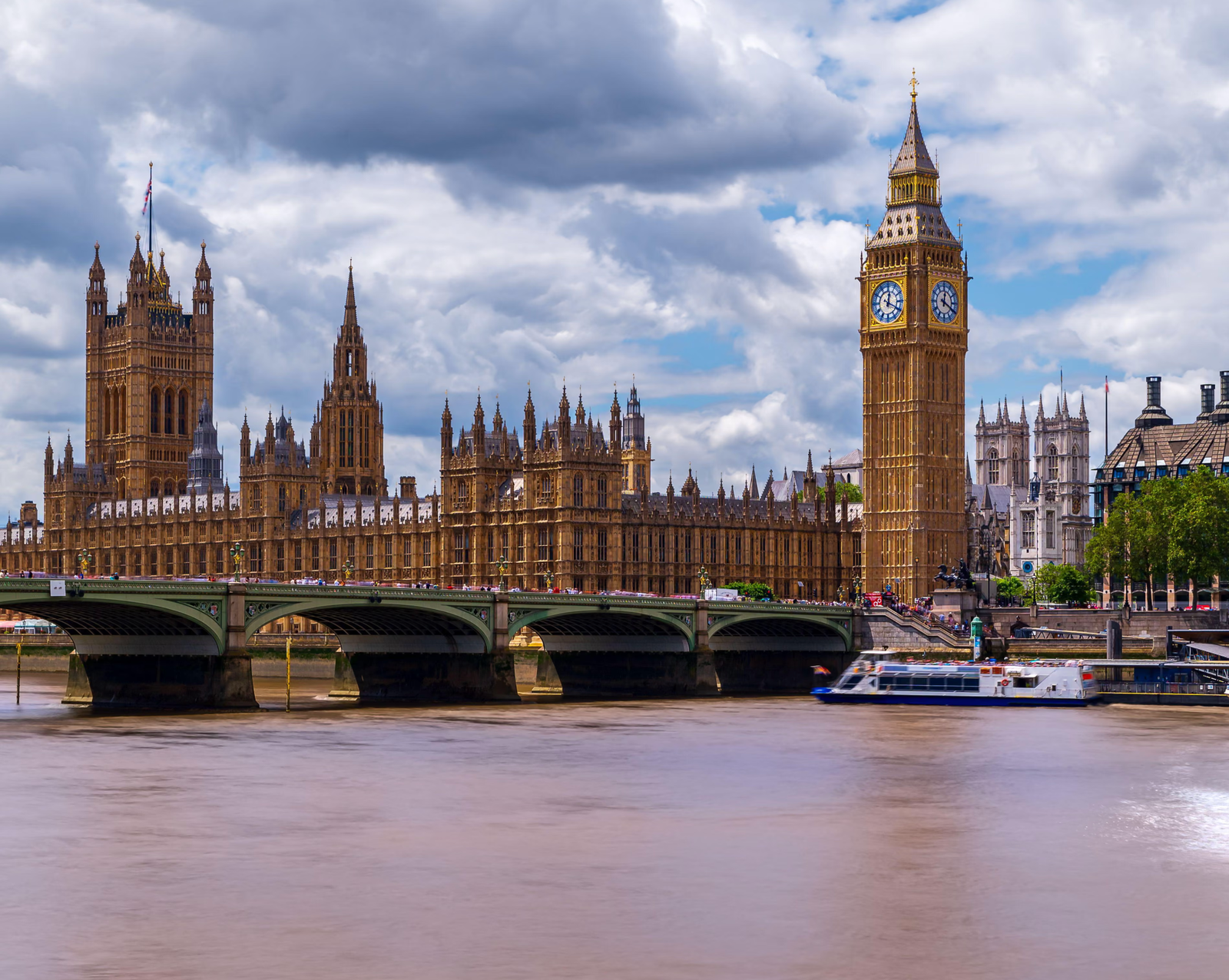
A new UK national security and counter-terrorism bill currently progressing through Parliament has prompted warnings from legal experts and former independent terrorism reviewers that its provisions could unintentionally expose journalists and humanitarian organisations to criminal liability.
The legislation, designed to strengthen state security powers by allowing the designation of state-linked organisations as terrorist or “state threat” entities, is intended to target groups operating as proxies for hostile states, including organisations such as Iran’s Islamic Revolutionary Guard Corps (IRGC).
However, concerns have been raised that the bill’s scope may extend beyond its intended targets. Legal experts argue that its broad formulation of offences related to “support,” “assistance,” and the receipt of “material benefits” from designated groups could place journalists, NGOs, and other field-based professionals at legal risk.
Former independent reviewer of terrorism legislation David Anderson has warned that, without clearer safeguards, journalists working in conflict or high-risk environments could potentially be drawn into prosecutions. He argues that the legislation lacks explicit protections for journalistic activity and humanitarian engagement, despite the presence of advisory guidance suggesting such work should be exempt.
Under the proposed framework, “material benefits” are defined broadly and may include information as well as financial or logistical support. This has raised concerns that routine journalistic practices—such as communicating with sources connected to designated organisations—could fall within the scope of the law in certain circumstances.
Anderson and other legal commentators have also highlighted the absence of a “reasonable excuse” defence for certain offences, which they say further increases legal uncertainty for professionals operating in complex conflict environments.
The independent reviewer of terrorism legislation, Jonathan Hall, has similarly called for amendments to ensure that legitimate journalistic and humanitarian activity is clearly protected. He has recommended extending legal safeguards to cover the exchange of information, particularly where engagement with designated groups may be unavoidable for reporting or operational purposes.
Press freedom organisations have echoed these concerns, urging the government to introduce explicit exemptions for journalists and non-governmental organisations before the bill becomes law. They argue that ambiguity in the legislation could have a chilling effect on foreign reporting and humanitarian engagement in regions where state-linked armed groups operate.
The Home Office has rejected claims that the legislation undermines press freedom, stating that existing guidance is sufficient to protect journalistic work. However, critics argue that reliance on guidance rather than explicit statutory protections leaves legal uncertainty unresolved.
Supporters of the bill maintain that stronger legal tools are necessary to counter evolving hybrid threats posed by hostile states and their affiliated organisations. They argue that the legislation is designed to close gaps in existing terrorism law and improve the UK’s ability to respond to state-backed security risks.
As the bill approaches final parliamentary stages, the debate highlights a broader tension between national security enforcement and the protection of press freedom and civil society operations in conflict zones.